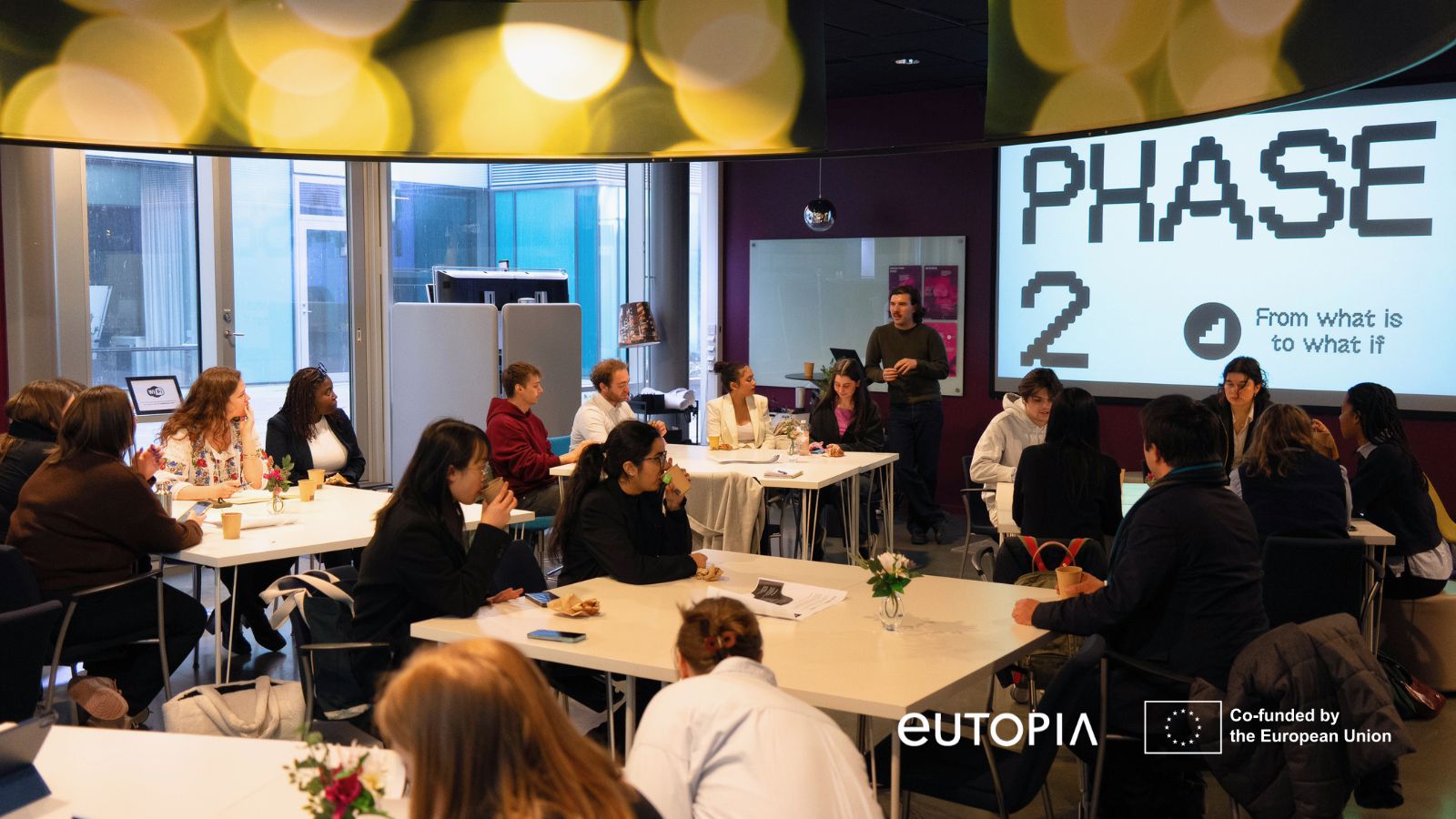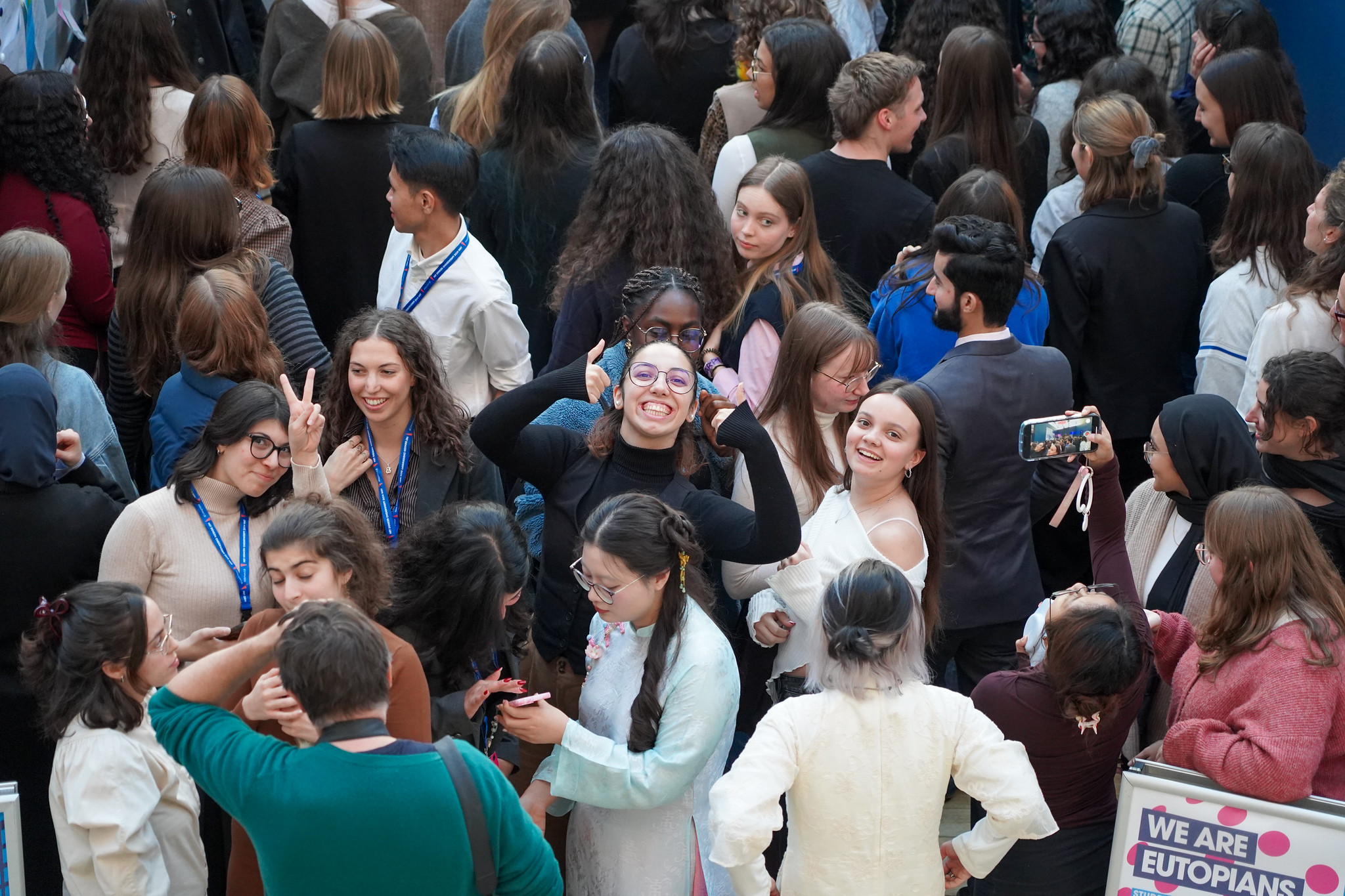
From 17 to 21 November, 80 students from across the EUTOPIA alliance gathered in Brussels for the Innovation Challenges for Students on “multilingualism in contemporary societies”, hosted by Vrije Universiteit Brussel (VUB). The week offered a deep dive into multilingualism as a lived, social, and political reality, combining expert-led sessions, creative workshops, and field visits across Brussels.
Day 1: Understanding multilingual identities
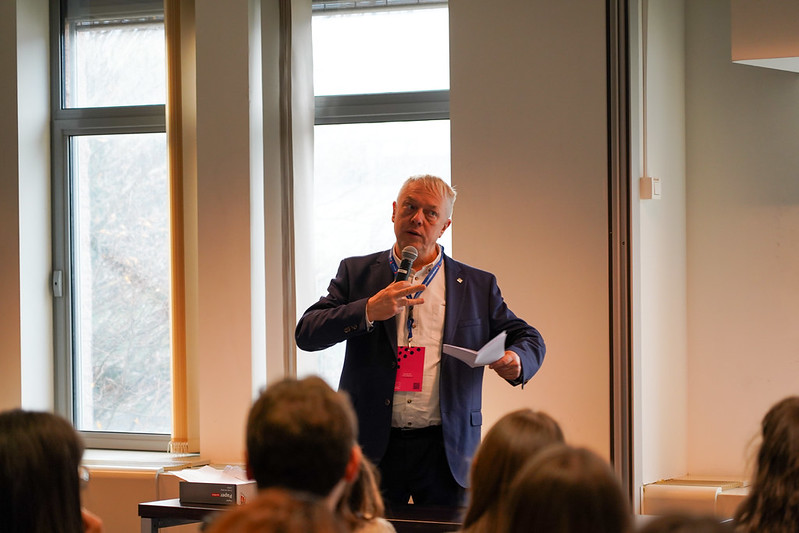
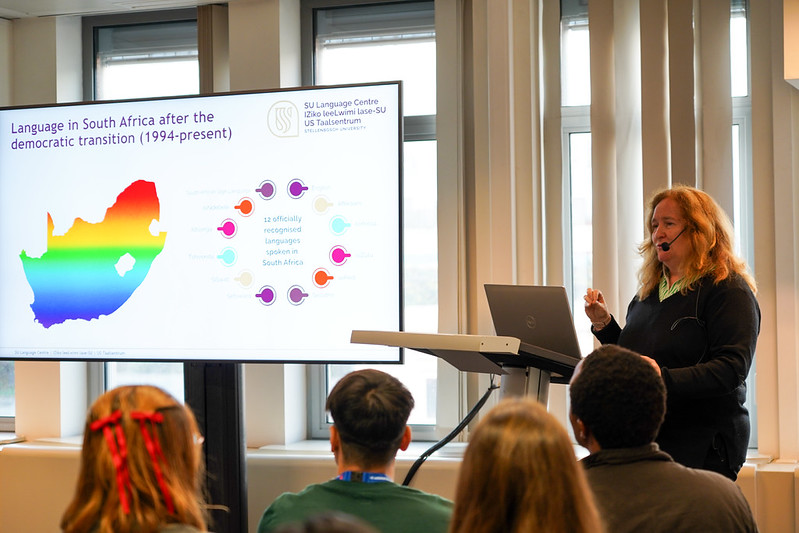
The week opened at VUB with a welcome from Rector Jan Danckaert, followed by the first keynote from Dr Kim Wallmach, Director of the Language Centre at Stellenbosch University. Drawing on South Africa’s multilingual experience, Kim examined how cultural storytelling and humour become tools for cohesion in a divided context. Her session framed the core challenge of the week: how language can connect or divide communities, and what kinds of innovation help societies bridge gaps. Kim said:
“What I wanted the students to take away was how important storytelling is for social cohesion. We all have different stories and come from many parts of the world, but if one can understand the power of a story — whether it’s creating a narrative around a rainbow nation or critiquing something for social change — that can potentially make a change at university.
Language is really important, and I think the students have realised it. I hope they understand a little more about how foundational languages and multilingualism are — not just counting the number of languages you speak, but how it can be used for connection.”
Day 2: Exploring multilingualism through workshops
On Day 2, Dr Caitlin Vandertop traced how cities become contested multilingual spaces through colonial histories and modern urban narratives. Her work on Singapore, Dublin, and Johannesburg encouraged students to read multilingual cities as sites of tension and transformation.
Later that morning, Árpád Töhötöm Szabó, cultural anthropologist at Babeș-Bolyai University (BBU), explored ethnic coexistence in Transylvania, a rare European case where minority communities have maintained a strong presence despite demographic change. His historical and anthropological perspective highlighted how multilingual realities are embedded in economic life, identity, and everyday social relations.
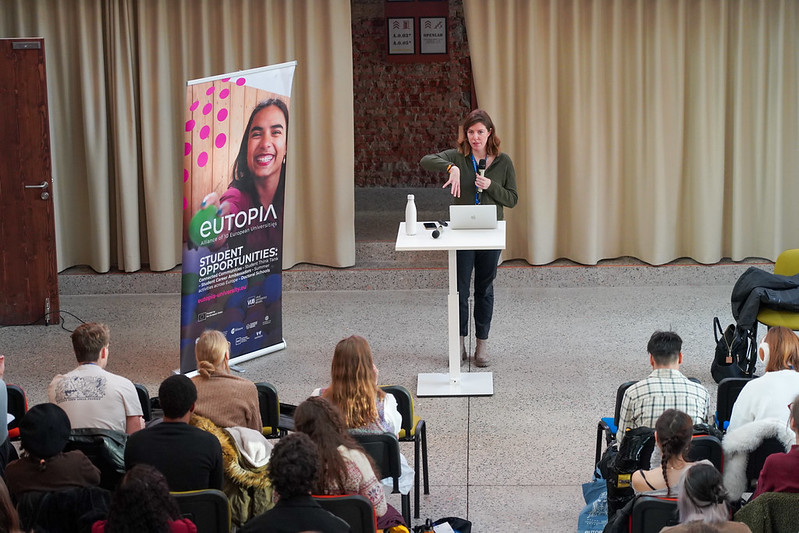
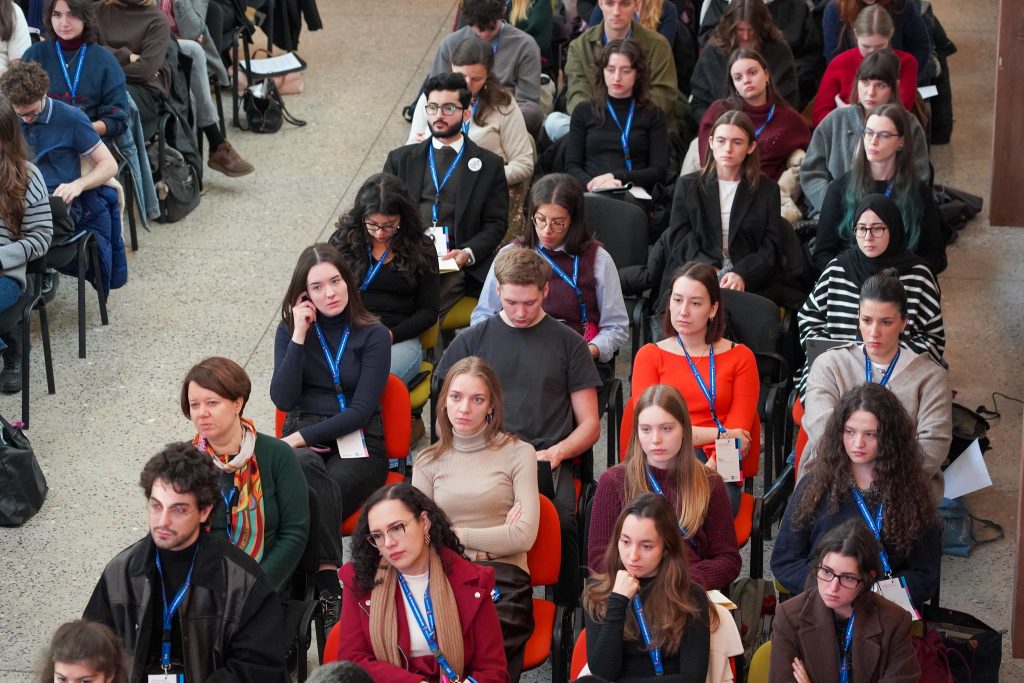
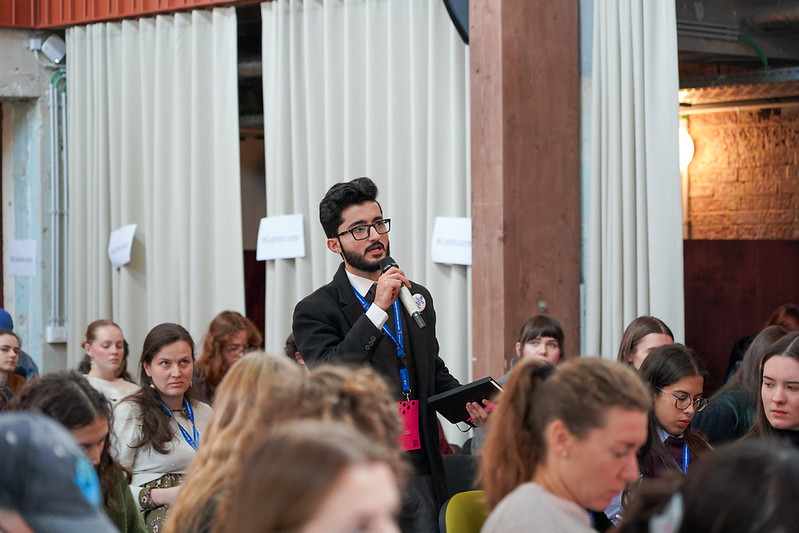
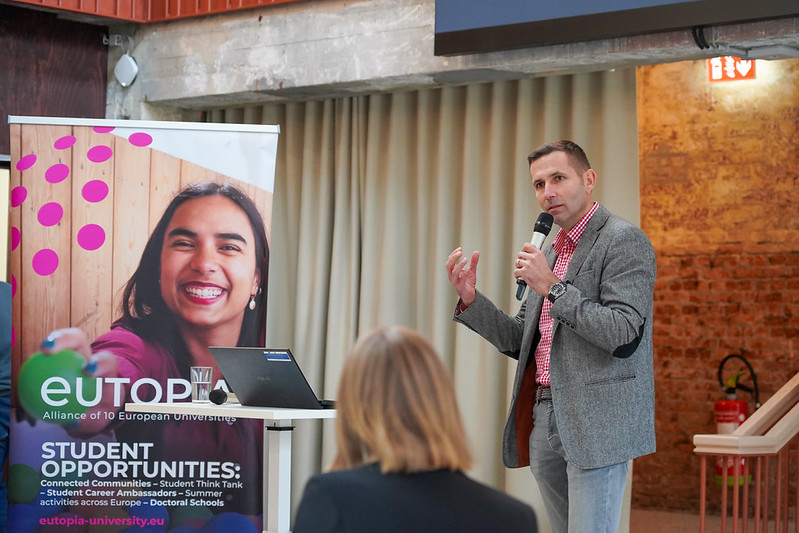
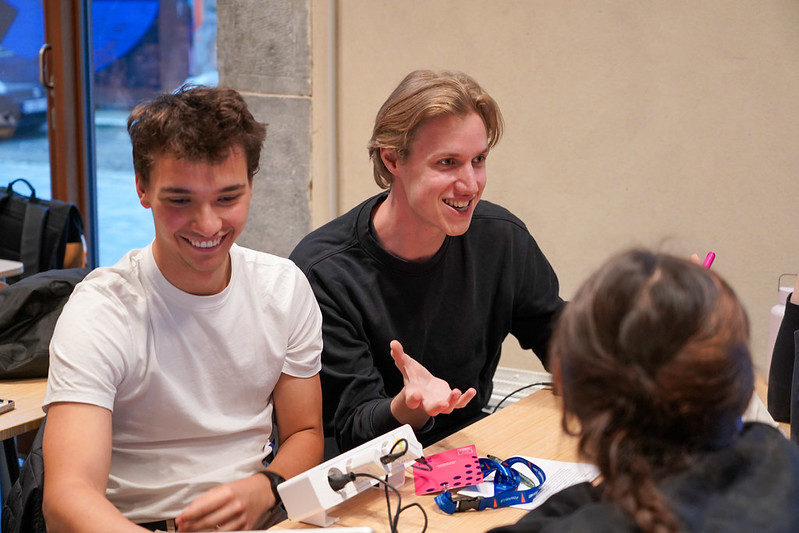
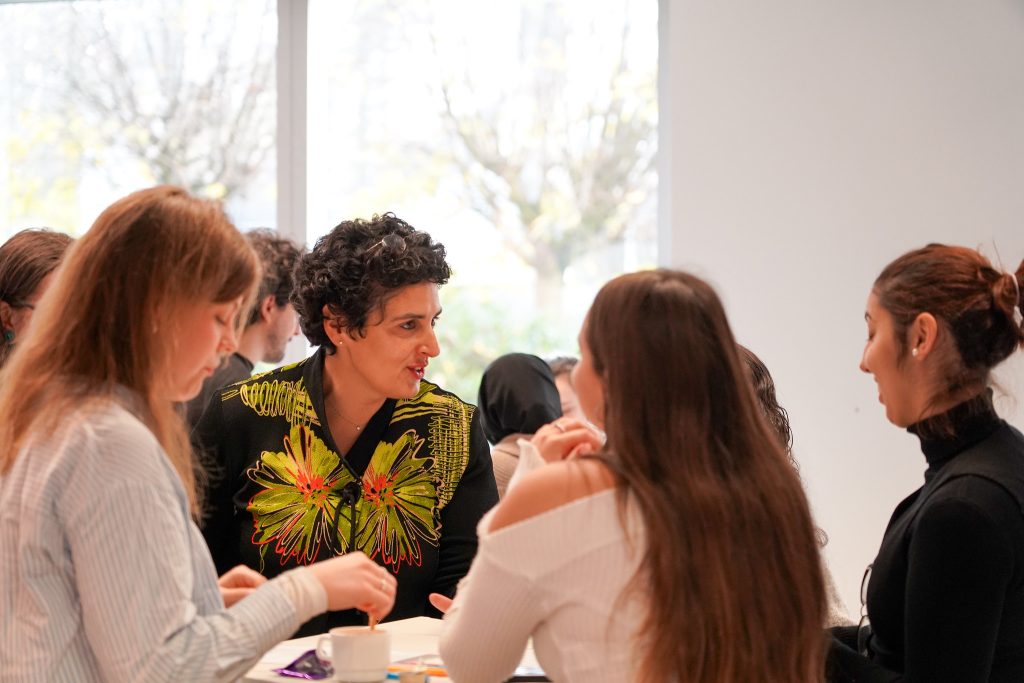
In the afternoon, students rotated through in-depth workshops offering hands-on perspectives on language in society.
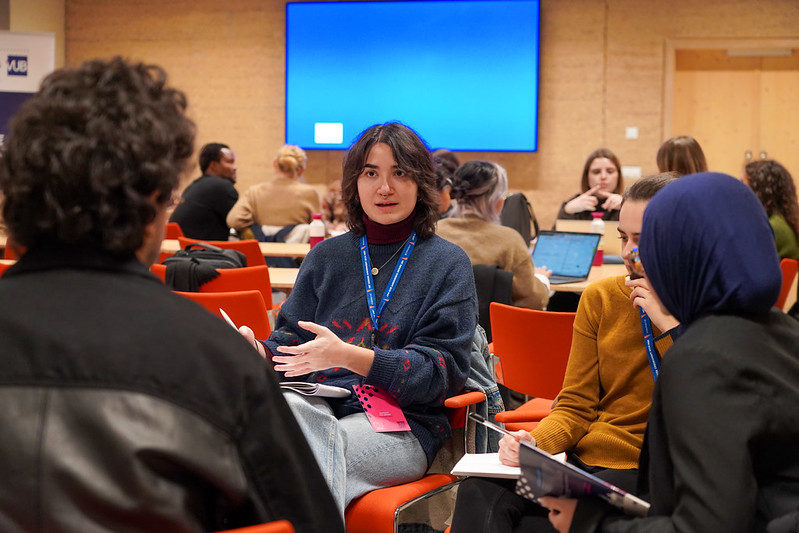
These sessions encouraged reflection on students’ own linguistic backgrounds while exposing them to concrete methods used in research, education, and cultural mediation.
- Kim Wallmach (Stellenbosch University) guided students through the linguistic journey of university life, examining how multilingual environments shape belonging, academic success, and employability.
- Agnes Pisanski Peterlin (University of Ljubljana), Professor of Translation Studies, unpacked the role of English as a lingua franca and its impact on translation practices and multilingual communication.
- Beatrijs Wille (Vrije Universiteit Brussel), an assistant professor and postdoctoral researcher at the Brussels Centre for Language Studies, introduced students to language portraits — a creative tool used to analyse identity, multilingual experience, and the perspectives of deaf communities.
Kim Wallmach expressed:
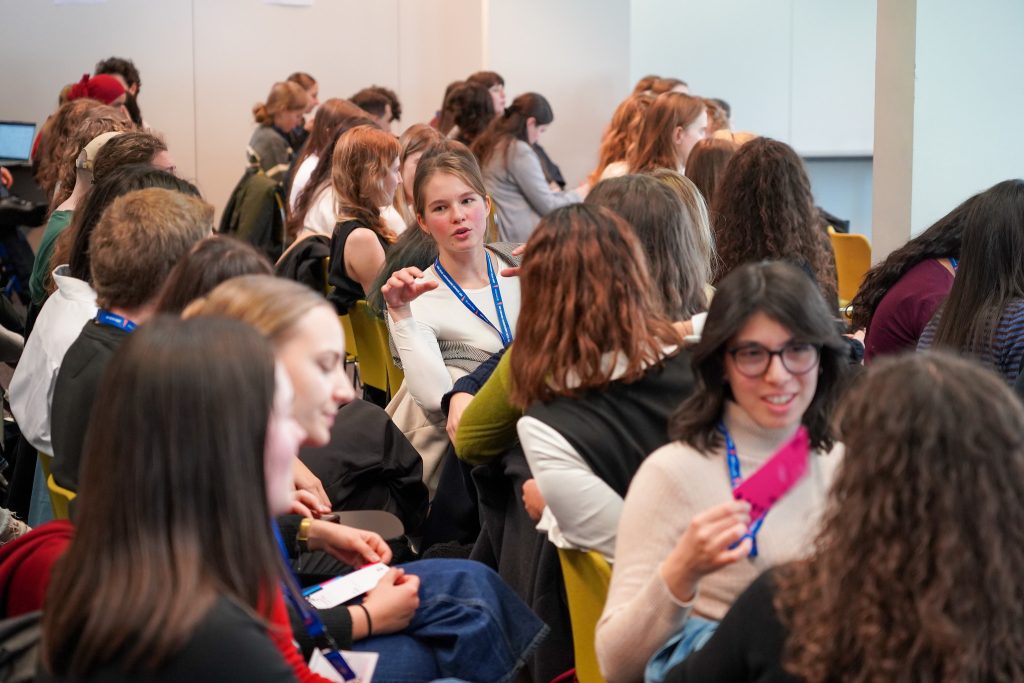
“The students were extremely interactive in the sessions and the workshop. A big strength of this year was being divided into completely diverse groups — different universities, nobody knows anybody — and that creates cohesion. You have this group, you have a project, and you’re going to have to complete it by Friday. There was a real sense of energy and vibrance.”
Day 3: Multilingual identity, learning and creativity
Wednesday opened with Marcella Menegale (Ca’ Foscari University Venice), a researcher in Educational Linguistics. She outlined current debates in language education, from plurilingual teaching approaches to the impact of digitalisation, and connected these to global citizenship and multilingual identity.
She was followed by Claire Huguet (CY Cergy Paris University), an English lecturer with Agrégation, who reframed code-switching as a creative act. Drawing on bilingual and bilingual-influenced artists, she showed how shifting between languages allows people to negotiate identity, produce new cultural forms, and challenge social expectations. Her work also explored how this creativity can be used in classrooms and artistic practice.
An additional session with Agnes Pisanski Peterlin looked at self-translation, a widespread yet often invisible multilingual practice that reveals how individuals move between languages across genres and contexts.
Afternoon workshops extended these topics, from multilingual identity mapping to role-playing exercises on ethnic relations in Transylvania to creative uses of code-switching.
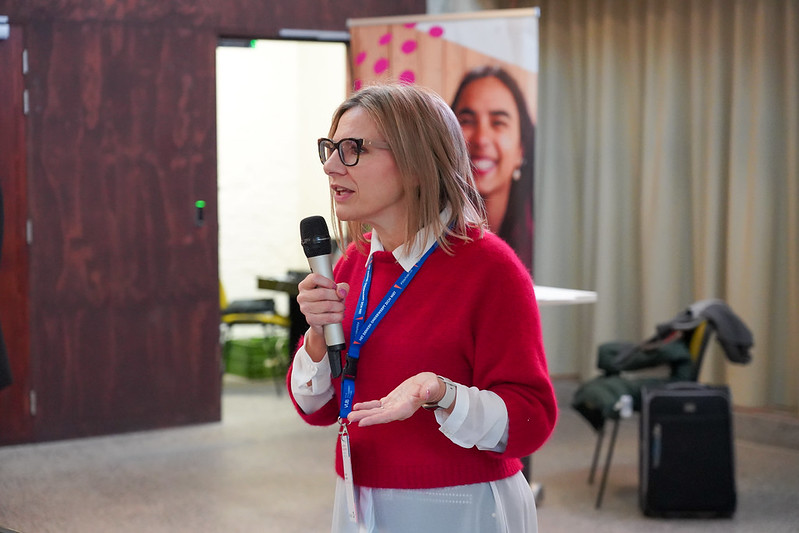
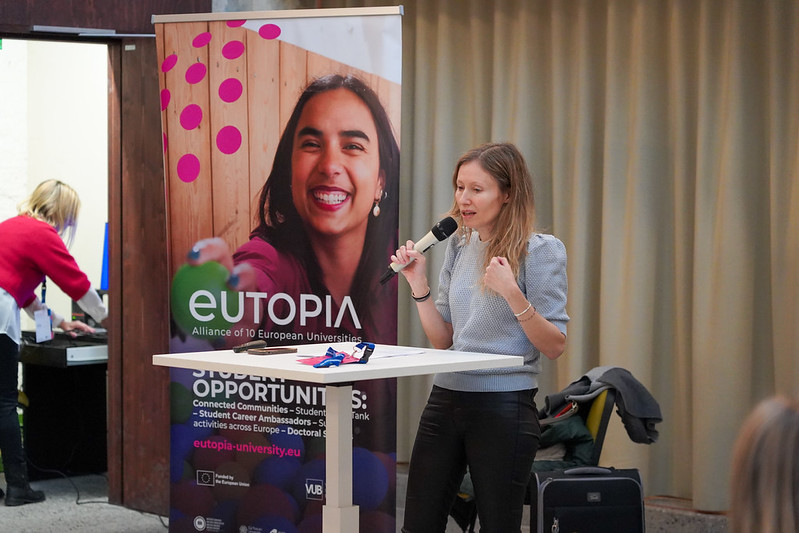
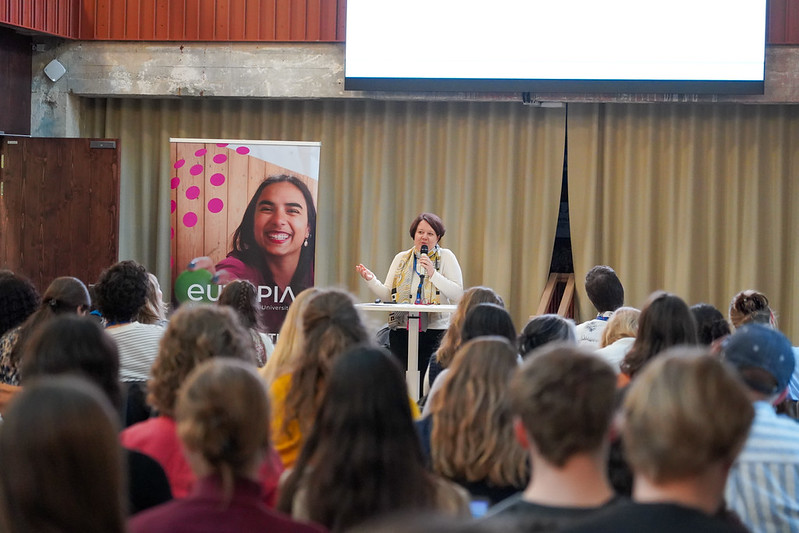
One student shared:
“One moment that really stood out for me was the talk with Claire Huguet. We discussed what it’s like to grow up bilingual, and I realised that people from different countries and fields felt the same things I did. It was simple, honest, and it created a real connection between us.”
Another student reflected:
“One of the most amazing moments for me was the poem-writing workshop “Speak Your World!” by Marcella Menegale. Seeing everyone write in their native languages at the same time created a beautifully emotional and deeply multilingual poem. The “Language Portraits” workshop was equally impactful, revealing how profoundly our emotions, family histories, and sense of belonging are shaped by the languages we carry.”
Day 4: Out in Brussels
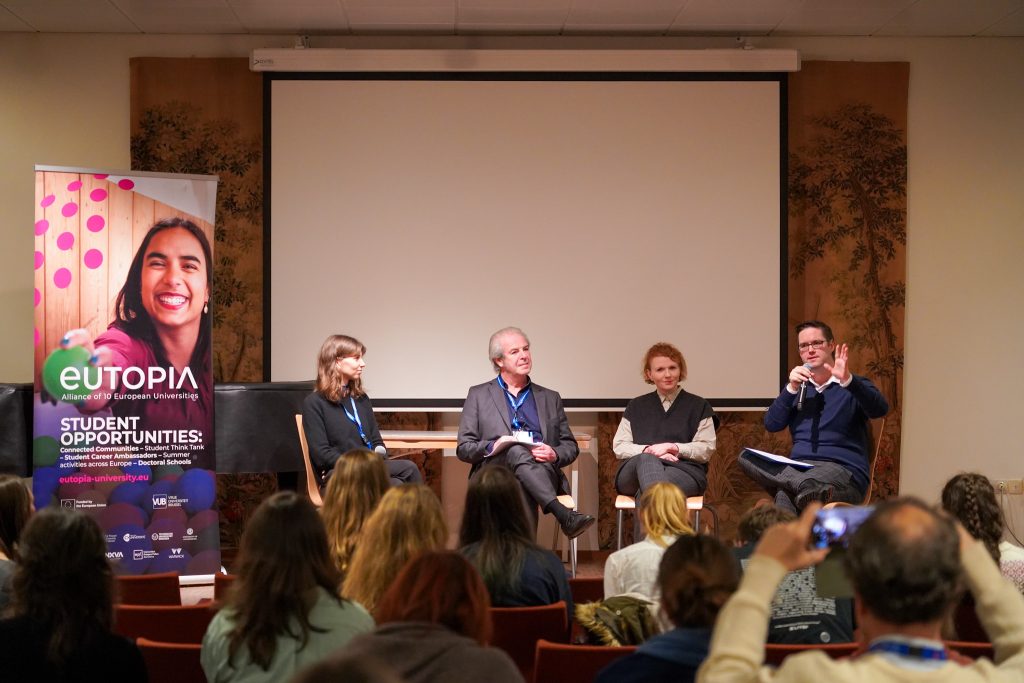
Thursday moved the programme into the heart of Brussels’ cultural sector. At the Royal Library of Belgium (KBR), writer and coordinator for community projects, Esther De Soomer, presented her bilingual literary work, reading from Terra Nova – Sprachfragment and reflecting on what it means to write in multiple languages.
Magdalena Van den Broeck Liskova (Head of Institutional Relations at Bozar, the Centre for Fine Arts in Brussels) and Dries Debackere (an independent consultant and facilitator for the non-profit organisation De Taalsector) then joined a panel discussion addressing challenges of multilingualism in the cultural sector and beyond. Together, they examined the practical and structural challenges faced by cultural institutions operating in multilingual environments — from programming and communication to community engagement and sector innovation.
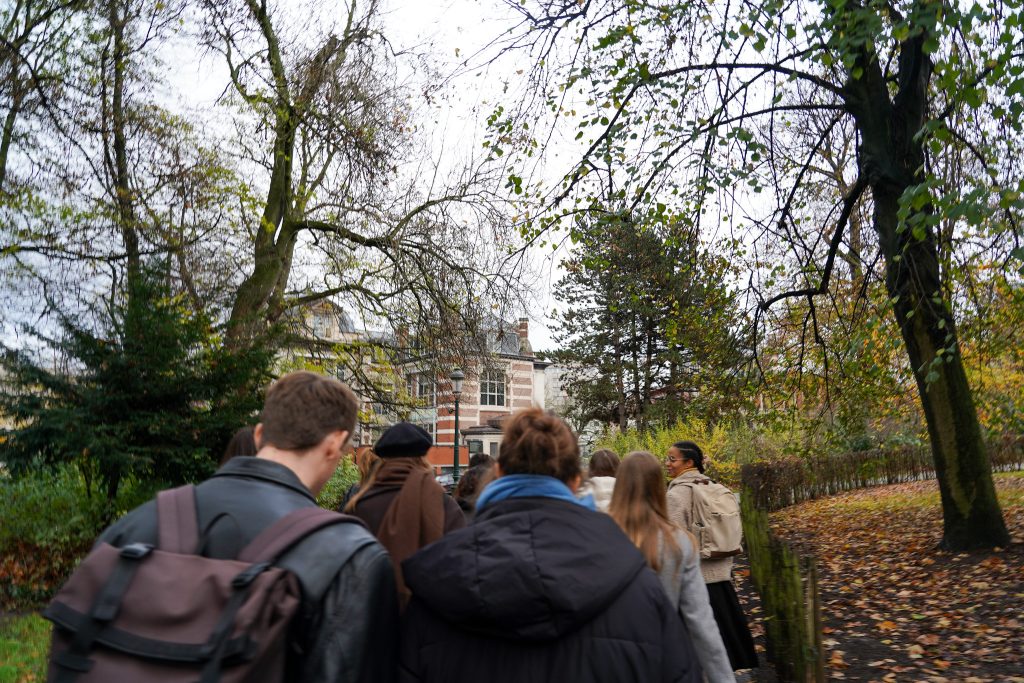
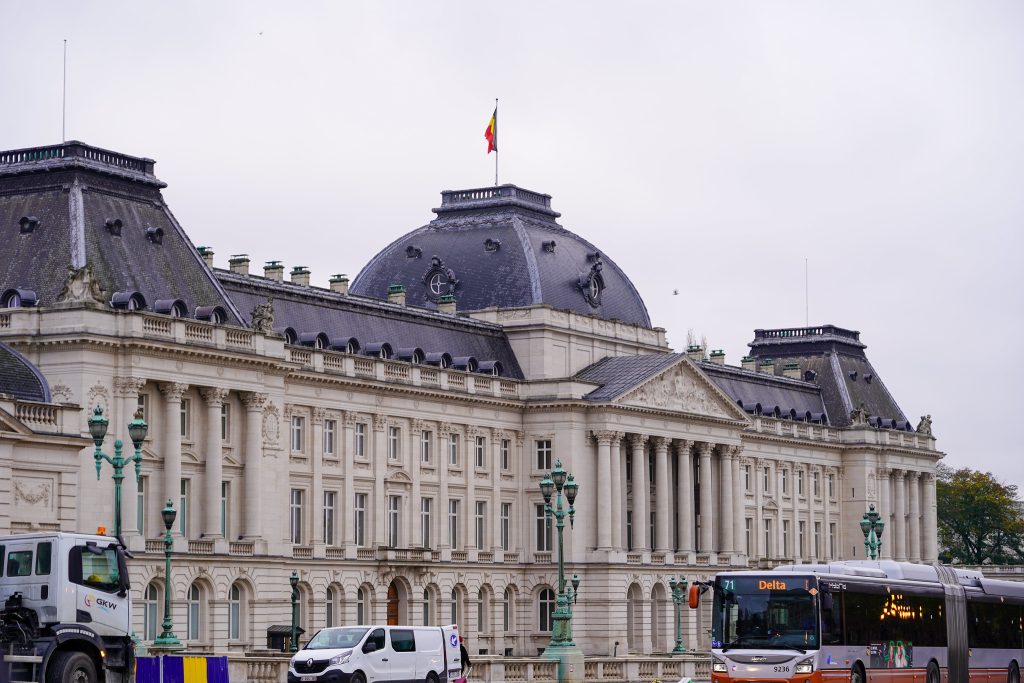
Students then explored Brussels through a guided multilingual city walk, followed by visits to the House of European History and the Parlamentarium, linking policy, history, and multilingual realities.
One student commented:
“Visiting the Belgian Parliament and wandering through Brussels on guided walks made me realise how multilingual the city truly is. But the best part was spending time with students from all over the world. We swapped stories and taught each other funny words in our languages. By the end of the week, it felt like we had created our own little international family. I left with new knowledge, but more importantly, new friends.”
Day 5: Closing session and student presentations
On Friday, Professor Jo Angouri (University of Warwick), EUTOPIA’s lead for the Multilingualism & Diversity Connected Community, delivered a two-part session on future directions in multilingualism research. She examined emerging trends in socio- and applied linguistics — from visibility and access to representation and social justice — and reflected on how researchers collaborate transnationally to shape fairer, more inclusive linguistic landscapes.
One participant expressed:
“I was fascinated by the plenary session with Joe Angouri on social languages. It was eye-opening to understand how language reflects identity, power, politics, and belonging. The idea that the way we speak can change depending on who we are with, what we want to express, or how society perceives us resonated deeply with me. It showed me that languages are not just tools of communication but living systems that shape relationships, access, and even opportunities.”
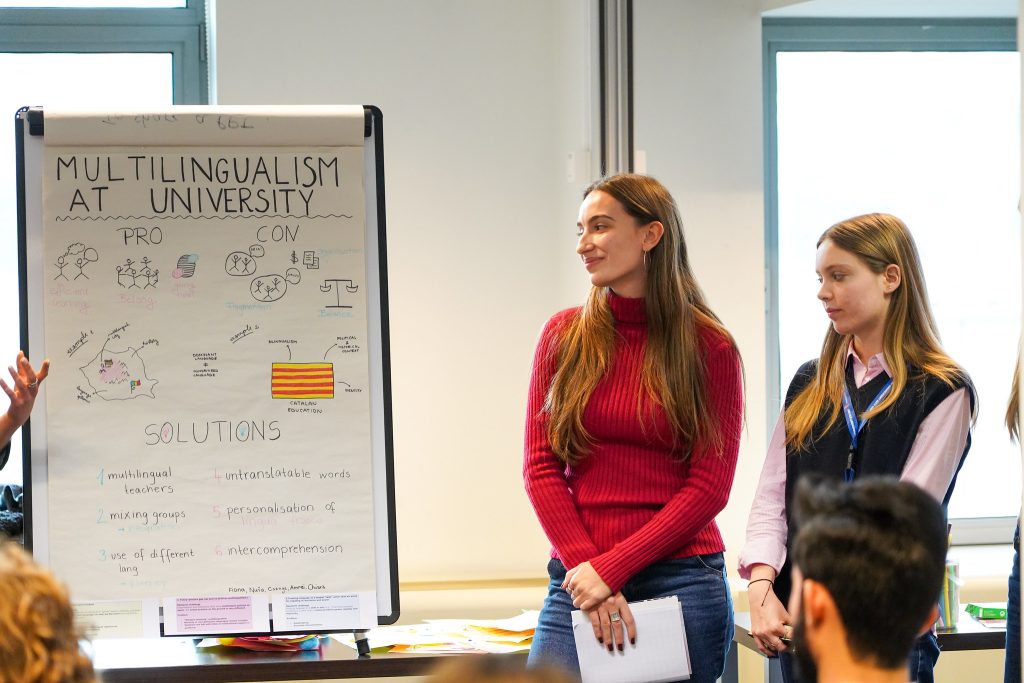
Students then prepared and delivered final presentations, showcasing the insights and ideas developed throughout the week. Their work demonstrated the diversity of approaches possible when tackling multilingualism: policy proposals, creative concepts, community engagement strategies, cultural insights, and reflections on personal linguistic identities.
The week concluded with closing remarks from Karin Vanderkerken, VUB Vice-Rector for Internationalisation.
Student Testimonials
“It’s amazing meeting people from places you’d never normally cross paths with. Everyone speaks different languages, comes from different systems, yet we all connect through our experiences of multilingualism.”
“For the first time, I felt genuinely understood when talking about code-switching. It showed me that languages aren’t just tools — they shape identity, belonging and even opportunity.”
“Coming from a binational family, I’ve always lived between two cultures, and in Brussels I finally met people who had the exact same experience. It felt good to feel understood in an international setting.”
“Everyone here comes from completely different places, yet we still share the same emotions about language. Even if our lives may have little in common, we connect through this shared experience — and it’s pretty amazing.”
“Despite our different backgrounds, there were no challenges working together. Everyone arrived open-minded and ready to learn from each other — that’s what made the teamwork so easy.”
“I once dreamed of pursuing my master’s degree at VUB but was unable to. Being here through EUTOPIA felt like a second chance and a meaningful way of reconnecting with that dream, and I am deeply grateful for it. This programme strengthened my understanding of multilingual education and gave me new tools, confidence, and motivation to continue advocating for inclusive language practices in schools.”
View the full photo album here
Article and photos by Nathan Lindstrom