When People Build Europe
Paris, 20 April 2026 — Armando Uribe Echeverria
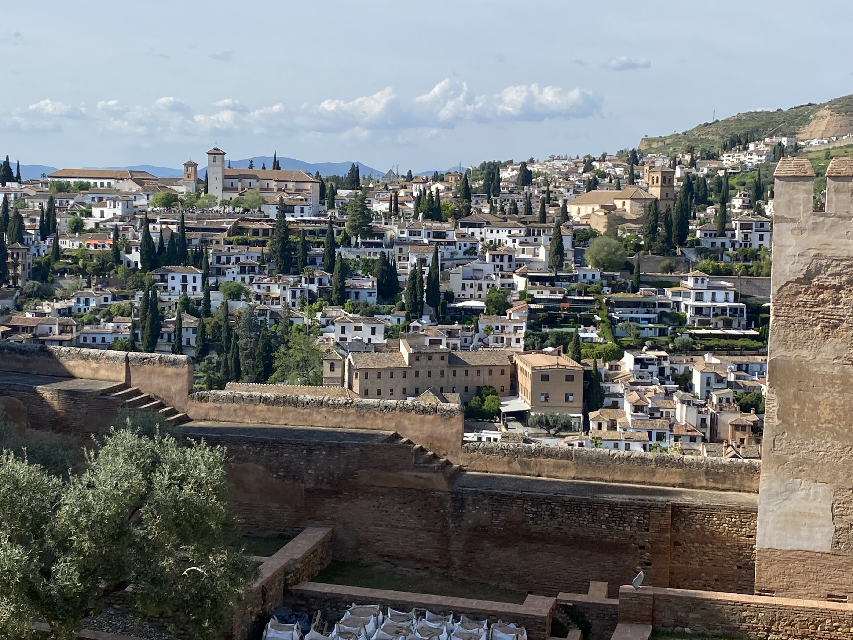
There is a Granada paradox: gathering 140 experts in European higher education management and impact in a city whose greatest monument was built by people who had no specific interest in European higher education management. The Alhambra looked down upon us with the indifference of a civilisation that understood, perhaps better than we do, that the most durable institutions are built not on policy frameworks but on the stubbornness of human hands and human vision.
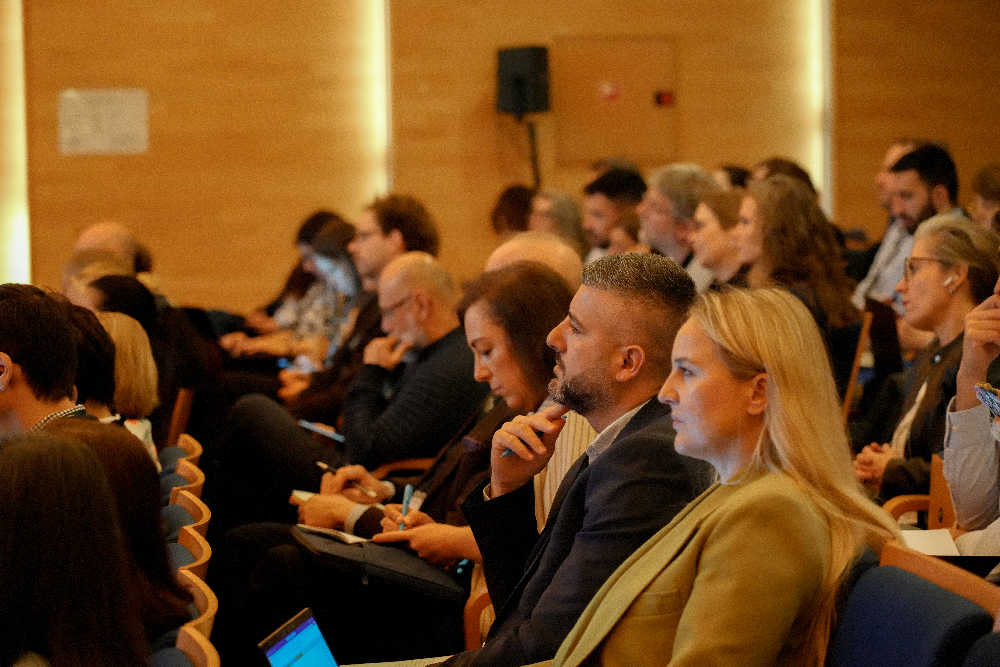
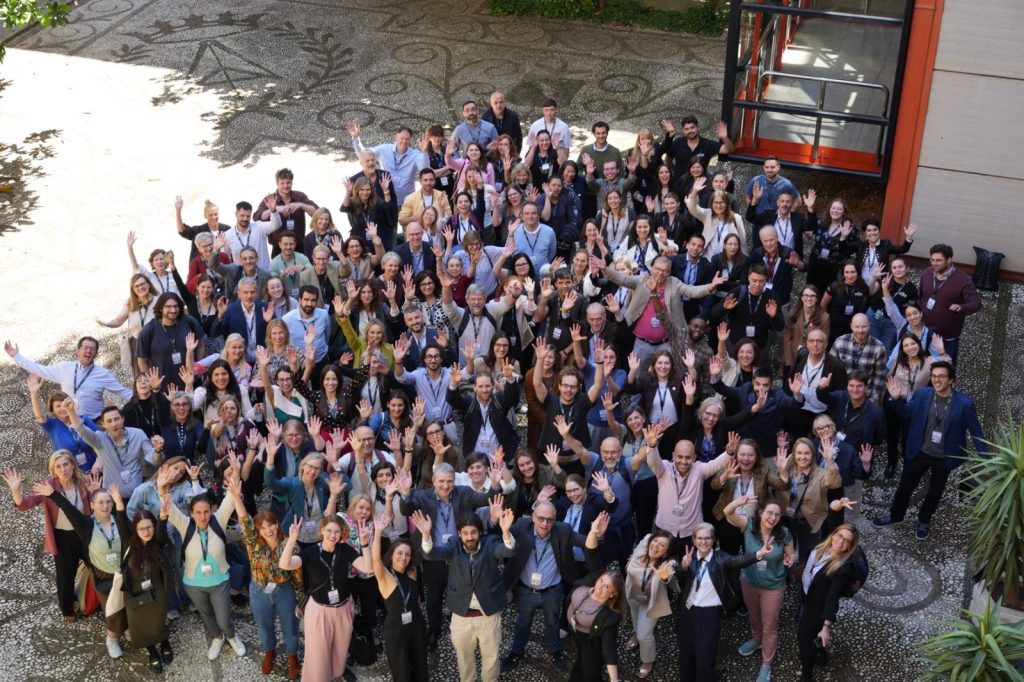
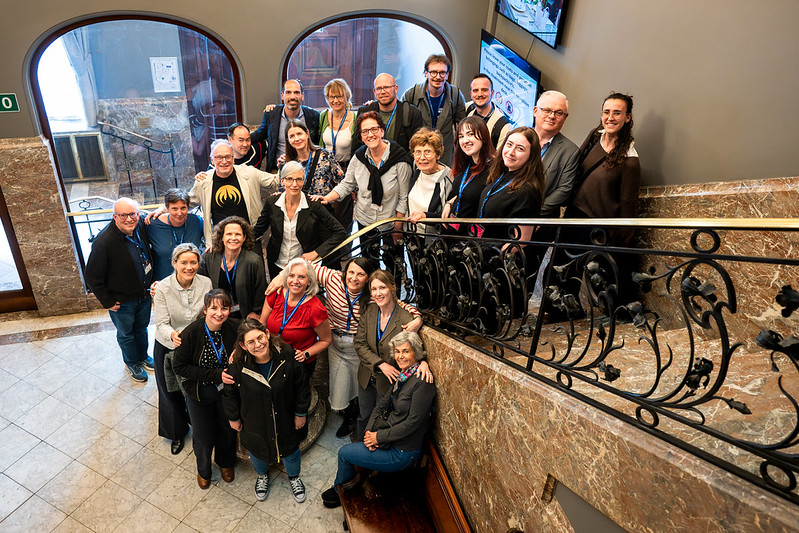
The Arqus Alliance and the University of Granada, hosts of remarkable generosity, had assembled the second transversal workshop of the FOREU4ALL Community of Practice: a two-day affair bearing the somewhat formidable title “Aligning Project Management and Impact: A Practical and Strategic Dialogue for European University Alliances.” One hundred and forty participants from across the European Universities Initiative had converged, ostensibly to discuss project management and measurable impact. What we actually discussed — because the subject kept escaping through every carefully constructed agenda item — was something more fundamental: what on earth are these alliances actually for?
A workshop on impact storytelling, led by Marina Fernández of the Arqus Alliance, Heather McComb of Una Europa, and me for EUTOPIA, addressed a related tension. European university alliances are required to demonstrate impact through increasingly sophisticated frameworks of indicators and deliverables. Yet the discussion made clear that data alone struggles to convey what these collaborations actually change. A mobility figure, a participation rate or a completed deliverable may satisfy reporting requirements, but they rarely explain why any of it matters. The exercise, therefore, was not to replace measurement with anecdote, but to connect the two more deliberately: to link quantitative evidence with accounts of individual transformation that make such evidence intelligible. If the alliances are to justify continued political and financial investment, they will need to show not only that activities have taken place, but that something has changed in ways that can be both measured and understood.
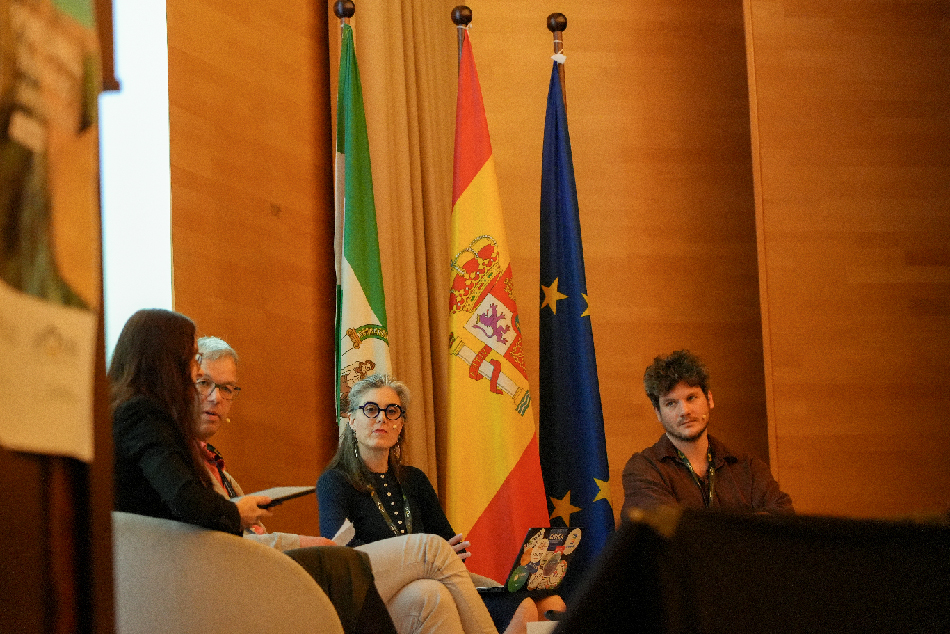
The first-day keynote panel, chaired with practised elegance by Lucie Hunter of FOREU4ALL, brought together Jan Palmowski, Secretary-General of The Guild of European Research-Intensive Universities, Caroline Censier-Calmus, representing the French Ministry of Higher Education and Research, and Antonin Charret, from the University of Oxford. As he usually does, Palmowski laid down the workshop’s foundational paradox with measured conviction: these alliances are, in the fullest sense, instruments of European policy — enacting a vision of what Europe might become. Censier-Calmus, speaking from the vantage point of a national ministry that must translate alliance ambition into regulatory and funding reality, underlined the same point from the governmental side: the European Universities Initiative is a political bet on European convergence, not merely an academic convenience. It was Charret who introduced the argument I found most persuasive. Behind every consortium agreement, every deliverable matrix and impact framework, there are people, not institutions, not logos. People, with their loyalties and suspicions, their capacity for genuine enthusiasm and their equally genuine capacity for defensive inertia. Trust, he argued, is the primary variable. The policy is the scaffolding. The people are the building.
This observation casts particular light on two of the interesting figures to emerge from these alliances: the Secretary-General and the Project Coordinators. These individuals — embodying their consortia in their very persons — are doing something novel. They are not university administrators in the traditional sense, nor civil servants, nor diplomats exactly, though they partake of all three vocations. They are the faces and executive directors of new multilateral organisations that have not yet entirely decided what they are. The European Universities Initiative has generated, as Antonin Charret put it, a new profession: people who spend their working lives managing the complexity of multi-university, multi-country, multi-layer collaboration. They translate across institutional cultures, hold memory through staff turnover, and bridge the gap between what grant agreements require and what reality permits. They are, in short, the people who make Europe happen on a Tuesday afternoon when nobody senior (or junior) is paying attention. And yet the investment in their formation and career development remains, by general agreement, inadequate. The professions are real. The career paths are not yet.
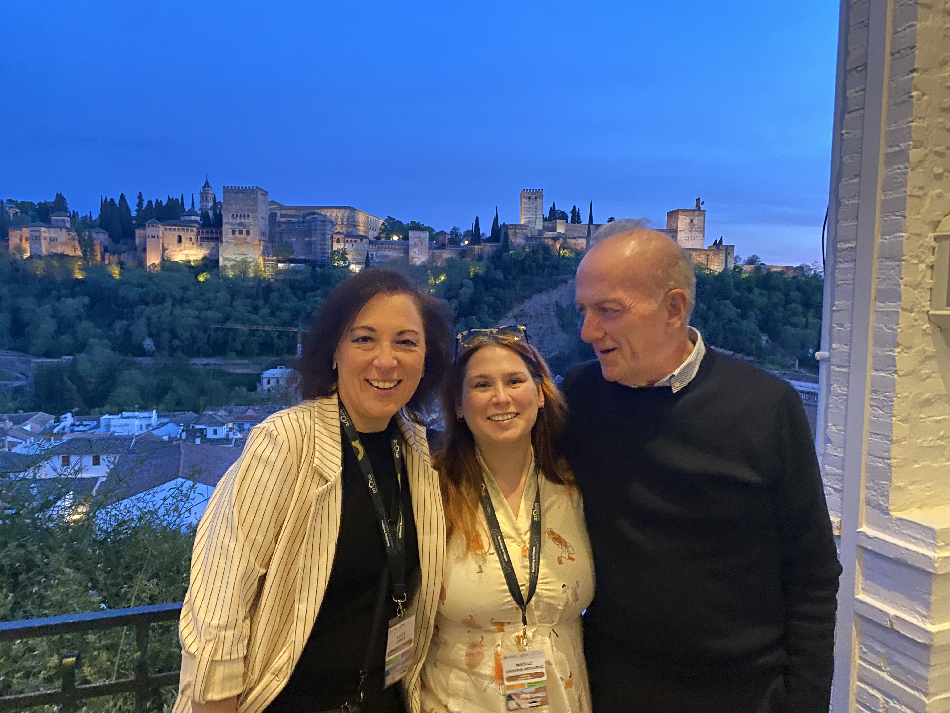
Running beneath all of this was the question that will not sit down: what is the added value? What changes in the alliance would not occur otherwise? Because transformation, change — impact in the language of the initiative — is the real challenge. On the first evening, our generous hosts took us to dinner with the Alhambra illuminated above — the whole impossible complex standing on a rocky outcrop over Granada with the casual magnificence of something that has long since stopped needing to prove anything. The wine was good. The company was warm and as miscellaneous as 60 European universities can provide. The monument watched, and asked, without rudeness but without quarter, what we intended to leave behind. We spent two days refining the instruments we intend to use to measure Europe (through project management and impact). The Alhambra, with some patience, suggested a simpler method: build something that changes people, and the measurement will take care of itself.